



The transformation of the CHRO is rapidly accelerating. What was once seen as primarily an administrative function has evolved into a critical pillar of enterprise strategy. Today’s CHROs are not simply managing people processes: they are shaping organizational direction, strengthening workforce resilience, and advising CEOs and boards through some of the most complex challenges facing modern business.
Artificial intelligence has become a central driver of business strategy and a key contributor of the transformation of the CHRO. In our whitepaper, “The leading-edge CHRO: The future of the people function is here,” we examined how the rise of AI is redefining the responsibilities of the modern CHROs. As Lisa Buckingham, CHRO at Vialto Partners, observes,
“AI does not just add tools; it rewires how work should be designed” – Lisa Buckingham, CHRO, Vialto Partners
The integration of AI at scale has heightened the boards’ and CEOs’ reliance on HR leadership for direction in three critical priorities.
1. Determining if, when, and how to transform the workplace
Artificial intelligence may function as an enhancement that boosts employee productivity or it may initiate a major workplace transformation.
Most CHROs expect their organization to complete an AI-driven enterprise-wide workforce transformation within the next 5 years
80% of CHROs agreed or strongly agreed that their organization “will complete an AI-driven enterprise wide workforce transformation” within 5 years.
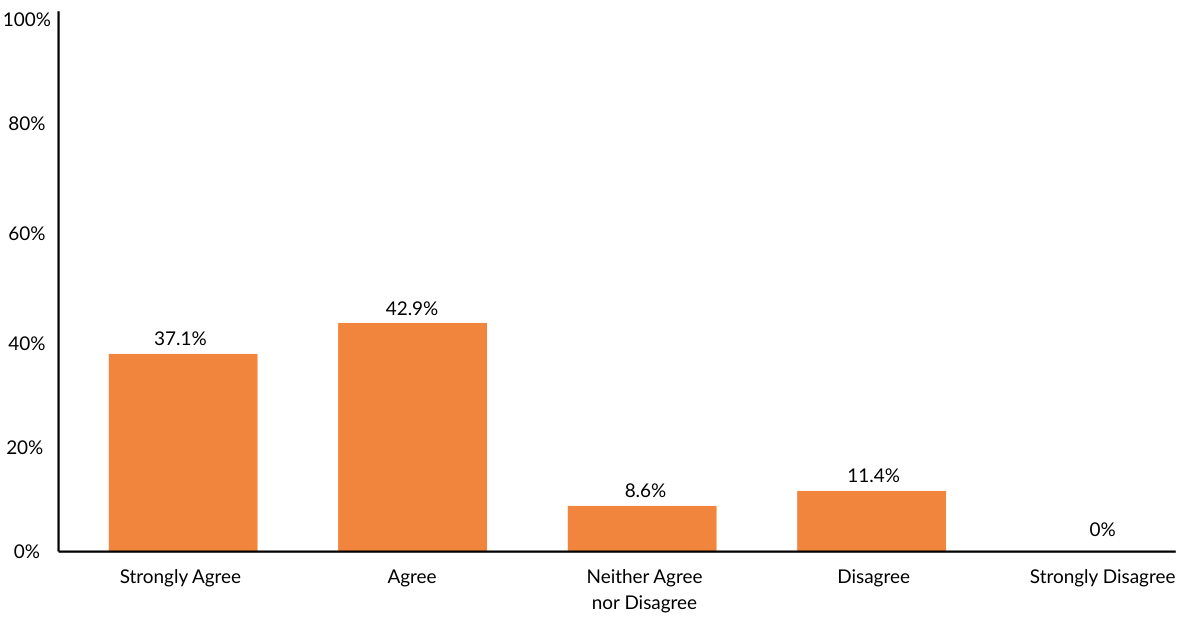
79.4% of CHROs agreed or strongly agreed that their organization “will complete an AI-driven enterprise wide workforce transformation” within five years. The leading-edge CHRO must guide the organization in making the decision on how to adapt to artificial intelligence, ensuring that adoption aligns with both strategic priorities and long-term workforce needs.
2. Right-sizing talent pipelines
Many companies are slowing or freezing hiring for entry-level roles as they evaluate the long-term impact of AI.2 78.8% of CHROs agreed or strongly agreed that “AI will drive broad-based reductions in entry-level hiring” over the next five years.
AI will reduce entry-level hiring over the next 5 years
79.5% of CHROs agreed or strongly agreed that “AI will drive broad-based reductions in entry-level hiring” over the next five years.
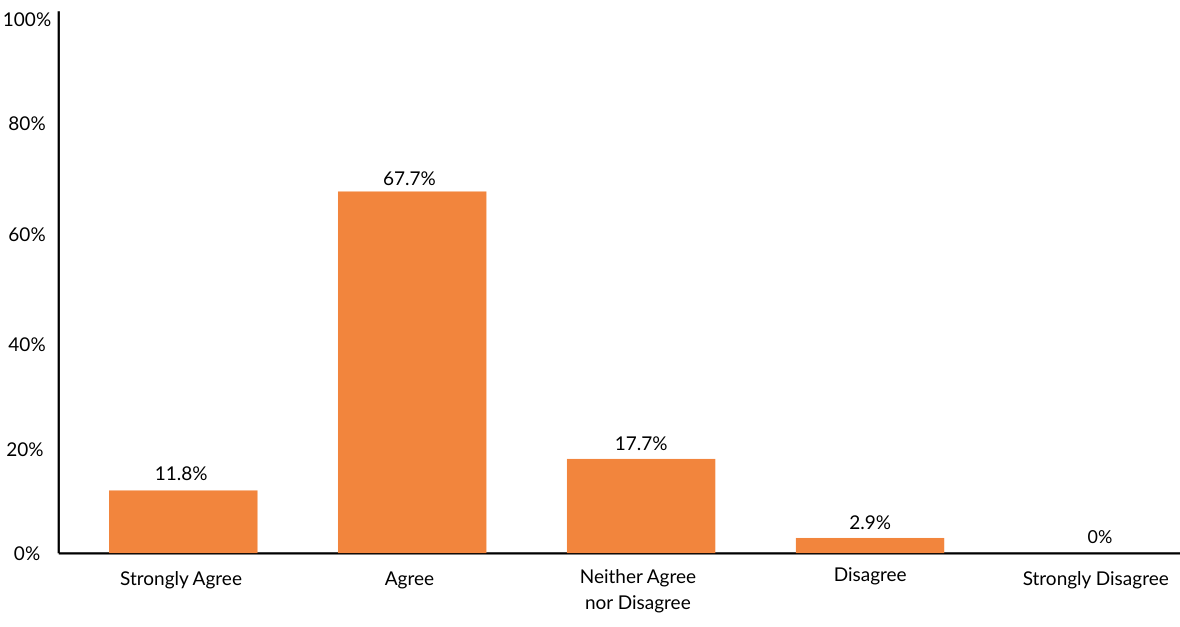
This shift complicates leadership development, as many of the tasks expected to be automated are the same early-career responsibilities that build essential foundational skills. With fewer employees in lower-level roles, the pool of potential future leaders shrinks, creating a long-term talent risk. The board and CEO will need the guidance of the leading-edge CHRO to rethink their talent development pipelines.
3. Realizing productivity gains and ROI
Despite enthusiasm for AI adoption,3 the financial return remains unclear. CHROs are divided over whether “organizations will struggle to demonstrate clear, sustained productivity ROI at scale” over the next five years, as 53% agreed or strongly agreed while 47.1% neither agreed or disagreed or disagreed.
The ROI of AI over the next 5 years is simply unclear
CHROs are split (54.3% strongly agree/agree to 45.7% neither agree nor disagree and disagree) over whether “organizations will struggle to demonstrate clear, sustained productivity ROI at scale” over the next 5 years.
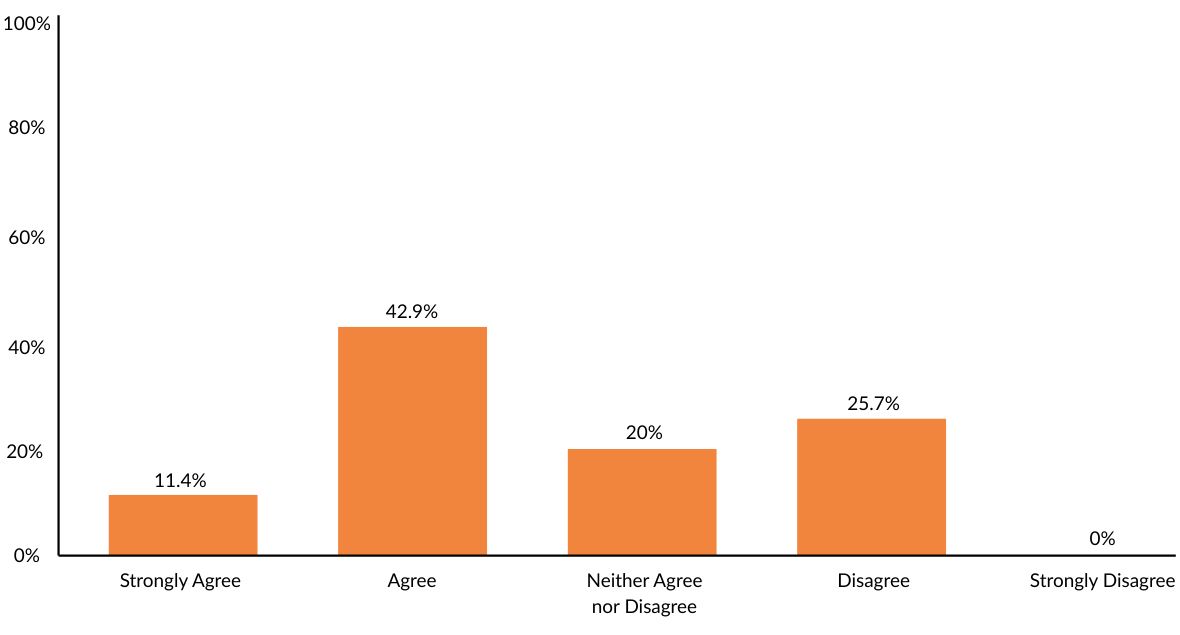
As AI becomes more integrated in organizational systems and workflows, leading-edge CHROs need a strong grasp of profit-and-loss dynamics to ensure technology investments deliver real business value.
How AI will impact HR
The role of the CHRO is undergoing rapid transformation, driven in large part by the accelerating impact of AI. The technology is already reshaping job architectures and talent pipelines.
The leading-edge CHRO is focused on leading the HR function through its own AI transformation and will not wait to react to these changes. They are proactive, understanding how AI is already affecting the HR function and anticipating how it will continue to shape the future of work. This may involve leading a future in which humans and AI agents work side by side, with HR overseeing both people and technology.
At N2Growth, we recognize the rapidly evolving environment in which leading-edge CHRO operates. For more insights, explore our whitepaper, “The leading-edge CHRO: The future of the people function is here.”
¹ Daniel Jolles and Grace Lordan, “Bridging the Generational AI Gap: Unlocking Productivity for All Generations,” The Inclusion Initiative, London School of Economics.
² Christopher Marquis, “Is This a Moment for Strategic Hibernation?” Harvard Business Review, November–December, 2025.
³ Ryan Pendell, “AI Use at Work Has Nearly Doubled in Two Years,” Gallup, June 16, 2025.
FAQs on how AI impacts the CHRO
The role of the CHRO has evolved from managing administrative HR processes to serving as a strategic leader influencing enterprise-wide decisions. Artificial intelligence, shifting workforce expectations, and increasing organizational complexity have elevated HR to a central driver of business strategy.
Artificial intelligence is fundamentally altering how work is designed, how talent is developed, and how organizations operate. CHROs must advise CEOs and boards through workforce transformation, assess talent implications, and evaluate the ROI of AI investments.
Artificial intelligence is reshaping the HR function through advancements in workforce analytics, organizational design, and employee experience. CHROs must have a grasp on AI transformation, ensuring that they are ahead of the curve.
Organizations should begin by assessing which roles AI will enhance versus transform, redesigning talent development pipelines, upskilling leaders on AI fluency, and evaluating where AI investments can generate meaningful business value. Leading-edge CHROs are proactive in addressing these changes.
To learn more about how artificial intelligence is transforming the role of the CHRO, explore N2Growth’s white paper, “The leading-edge CHRO: The future of the people function is here.”