


Leaders are defined by their calendars. The CHRO is no different. The way they allocate their time determines where their impact hits, or doesn’t. Thoughtful time management, in short, is usually the hidden difference between stunted opportunity and enterprise-wide success. The successful CHRO preemptively anchors their schedules to a set of five overarching priorities/principles. By anchoring their schedules to a core set of CHRO priorities, effective people leaders sharpen focus on the work that matters most at the enterprise level. In doing so, they elevate their influence and drive measurable results.
Through this blog, we’ll break down the five core priorities that shape how top CHROs intentionally harness their time.
The five principles top CHROs use to allocate their time
1. Be proactive
A proactive approach requires a fundamental shift in mindset from maintenance to creation. Instead of merely responding to business requests, the CHRO must anticipate future talent needs, identify potential organizational risks, and develop an agile HR strategy that supports digital transformation. A proactive HR strategy aligns people, systems, and culture with the business’s long-term goals. By staying proactive, the CHRO moves from a service provider to a strategic driver, ensuring the people function is an engine for growth and innovation rather than a cost center.
2. Mature the HR function and team
A mature HR function accelerates transformation across talent development, performance management, leadership pipelines, and HR technology modernization, all of which are core elements of high-quality workforce planning.
This sentiment is echoed by top executives like Anita Graham,¹ EVP and Chief Human Resources Officer at Labcorp, who advises
“Build a star team that effectively leads the HR function with you. You need to be the function leader for your team, but you are also the HR leader for the whole company and its people, and a partner and advisor to the C-suite, the board, and the CEO. You can only do this effectively and sustainably when you have a great team.” – Anita Graham, EVP and Chief Human Resources Officer, Labcorp
By intentionally developing the HR team and installing operating mechanisms such as tiered service models, clear governance, and robust analytics, CHROs free themselves to lead at the top of the organization.
3. Partner across the C-Suite
True strategic influence is built through deep, collaborative partnerships with other executive leaders. Partnering closely with the Chief Financial Officer and Chief Operating Officer on financial planning and change management ensures that workforce planning and people strategy are directly tied to the company’s fiscal realities and operational goals. Meanwhile, the CHRO must partner with the Chief Technology Officer or Chief Information Officer about the future of work and how technology plays a role in that future.
Leading-edge CHROs are spending more time with C-suite peers
“Compared with 5 years ago, CHROs spend more time advising C-suite peers.”
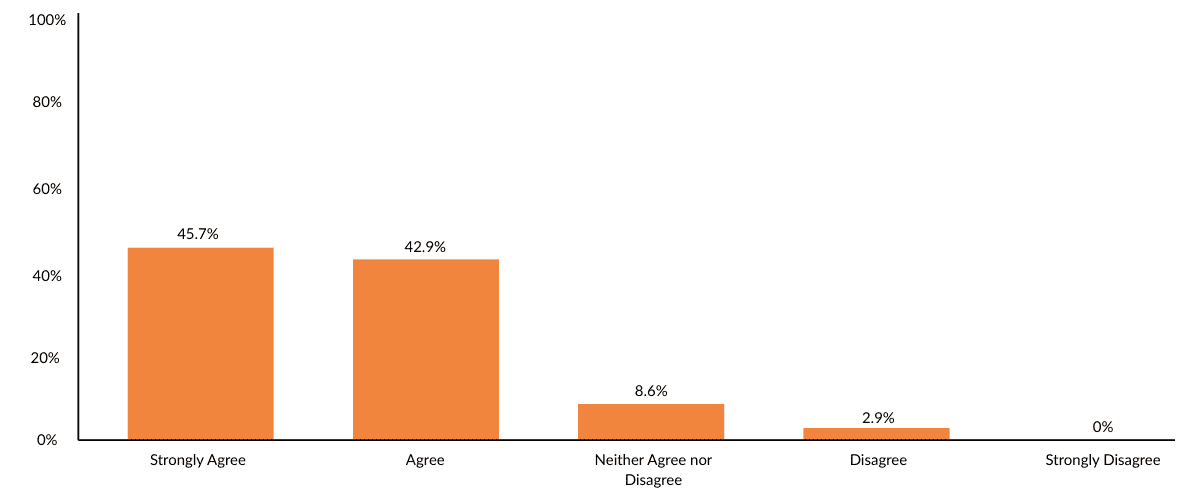
88.6% of CHROs either strongly agreed or agreed that CHROs spend more time advising C-suite peers compared to five years ago. Intentional time must be set aside for C-suite meetings, turning them from simple updates into powerful working sessions that drive the business forward.
4. Align with the board and CEO
A leading-edge CHRO runs a regular cadence with the CEO to confirm priorities, socialize how their time is being utilized, and avoid surprises in the flow of information. Proactive calibration ensures the CHRO’s efforts are consistently directed toward the CEO’s most pressing agenda items, while also giving the CHRO a platform to surface critical realities about people, culture, and organizational health that are only visible from their unique vantage point.
Leading-edge CHROs are spending more time with the board and CEO
“Compared with 5 years ago, CHROs spend more time advising boards and CEOs.”
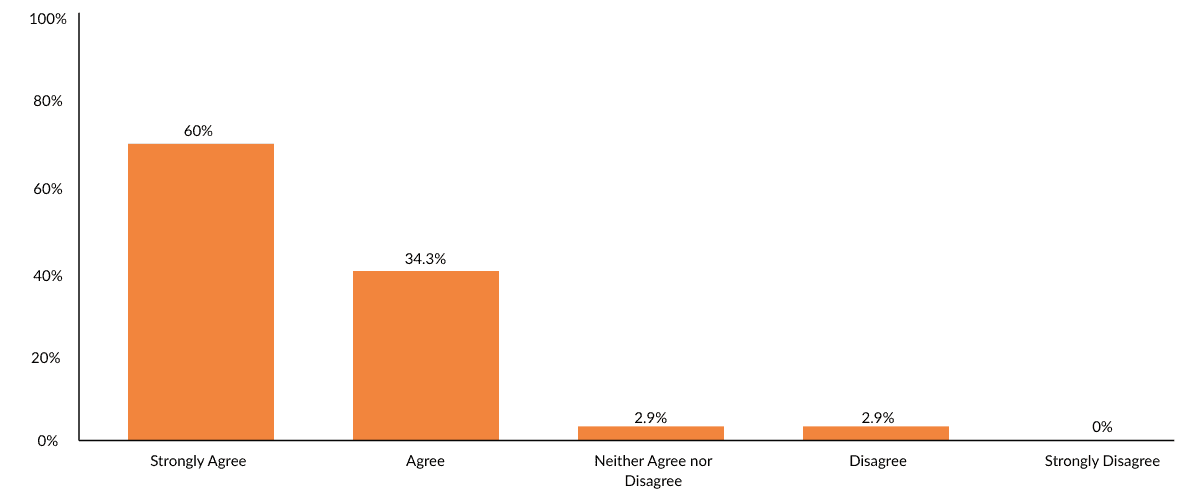
94.3% of CHROs strongly agreed or agreed that CHROs spend more time advising the boards and CEOs compared to five years ago. How CHROs partner with the CEO and board is a defining aspect of their effectiveness. Leading-edge CHROs proactively build relationships with board members outside of formal sessions.
5. Make the future
The most valuable activity a CHRO can undertake is to prepare the organization for what’s next. Deliberately protecting “white space” on the calendar each week for deep strategic thinking can accomplish this goal. Dedicated time should be used for activities like running scenarios, where you can model how the business might respond to high-, medium-, and low-disruption futures.
Leading CHROs balance AI initiatives with enterprise priorities
“Approximately what percentage of your typical workweek is currently dedicated to AI?”
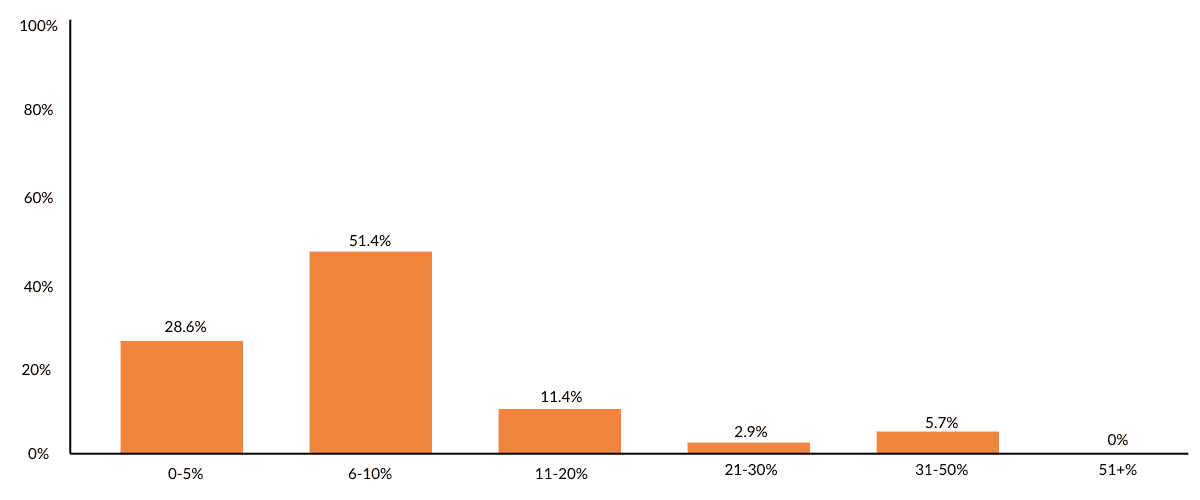
Over half of CHROs surveyed are dedicating 6-10% of their workweek to artificial intelligence. Future-oriented work is deeply connected to workforce planning, especially as organizations shift toward skills-based architectures, agile talent models, and AI-augmented roles. By investing time in making the future, CHROs accelerate the organization’s ability to innovate and adapt.
What These Priorities Reveal About Leading-Edge CHROs
As the CHRO role continues to evolve from functional leader to enterprise strategist, how time is planned has become a defining measure of effectiveness. Top CHROs are intentional about anchoring their calendars to a clear set of priorities: staying proactive, strengthening the HR leadership team, partnering across the C-suite, aligning closely with the CEO and board, and protecting space to shape the future. Through disciplined time planning, they elevate their influence and ensure people strategy remains tightly connected to business outcomes.
To learn more about how leading-edge CHROs plan their time intentionally, download our white paper “The leading-edge CHRO: The future of the people function is here.”
¹ “Labcorp’s Anita Graham on strategic time management,” N2Growth, December 4, 2025.
FAQs on how CHROs plan their time
A leading-edge CHRO should use the five critical principles for managing their time: be proactive, mature the HR function, partner across the C-suite, align with the board and CEO, and plan for the future.
Proactive time management allows CHROs to focus on strategic priorities, such as shaping the future of work, integrating AI, and driving people and culture strategies, rather than reacting to daily demands.
CHROs can co-lead initiatives with the CFO and COO on financial and operational planning, and collaborate with the CTO or CIO to integrate AI and design workforce shifts, ensuring alignment with enterprise goals.
CHROs must maintain regular communication with the CEO and board, ensuring alignment on priorities, surfacing critical insights on organizational health, and building strong relationships to influence major decisions.
Future planning enables CHROs to anticipate disruptions, develop scenario plans, and create roadmaps for AI, talent strategies, and operating models, ensuring the organization is prepared for long-term success.